A sea in rapid transformation
The Mediterranean is undergoing one of the fastest ecological transformations in its history.
Climate change, increasing sea temperatures and human activities are accelerating the spread of invasive marine species, placing growing pressure on biodiversity, fisheries and coastal communities.
Among the most significant drivers of this transformation is the continuous migration of species through the Suez Canal. Since the canal's expansion in 2015, the movement of marine organisms between the Red Sea and the Mediterranean has intensified, contributing to the rapid establishment of numerous non-native species.
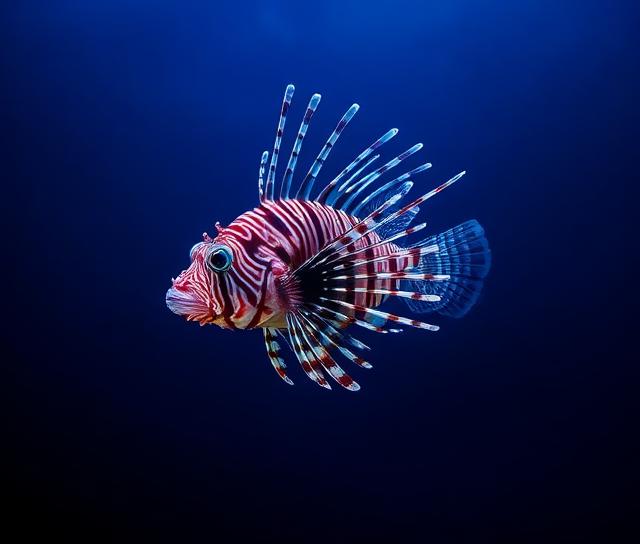
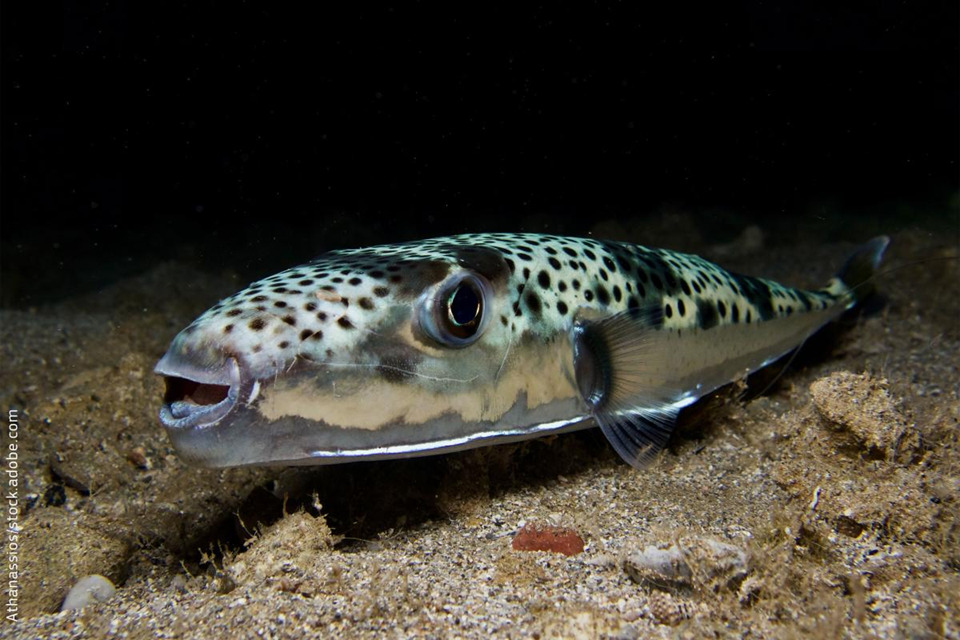
Some of these species, such as the silver-cheeked toadfish (Lagocephalus sceleratus) and the lionfish (Pterois miles), have already caused substantial ecological and socio-economic impacts across the Eastern Mediterranean.
These challenges cannot be addressed through isolated initiatives.
They require coordinated scientific research, effective public policies, active participation from professional fishers and local communities, and stronger international cooperation.
ALKIA was created to support this collaborative approach. By bringing together knowledge, technology and people, we seek to transform fragmented information into coordinated action and contribute to practical, evidence-based solutions for the Mediterranean.